click below tabs to view phases or scroll down
Equity financing
To accelerate the realization of great opportunities offered by Organic Conjugated Polymer Semiconductors, OM is raising funds through equity financing.
Phase-1 Investment Plan – IP investment an investment grade private deal
OM Sciences aims to raise funds through equity financing and crowdfunding campaigns to support further research, expand intellectual property, and launch three innovative devices. The first phase targets a 20% OM share equity financing.
Share sale to raise HKD XX million, which will fund further polymer semiconductors research, polymer semiconductors synthesis and commercialization of 3 devices within 12 months. The devices will be launched through Kickstarter and Indiegogo, followed by distribution on Amazon, Alibaba, and partnerships with global exporters. OM will also exhibit at the Hong Kong Electronics Fair, with a first-year export revenue target of USD 0.5 million and a 15% net profit margin.
Crowdfunding Campaigns
Crowdfunding No. 1: D-Band project progress
• Target Funds: HKD 3 million
• Net Profit: 25%
• Backer’s Price: USD 80/set
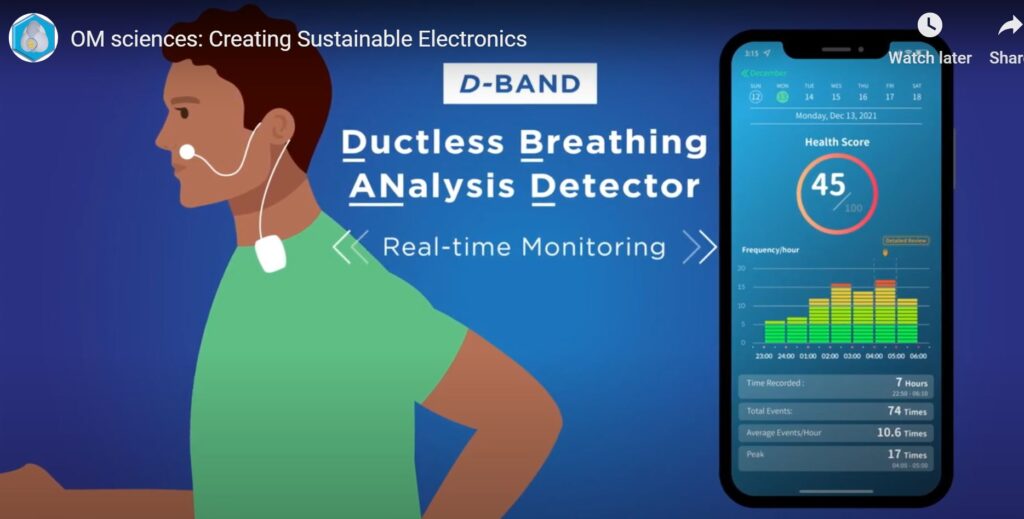
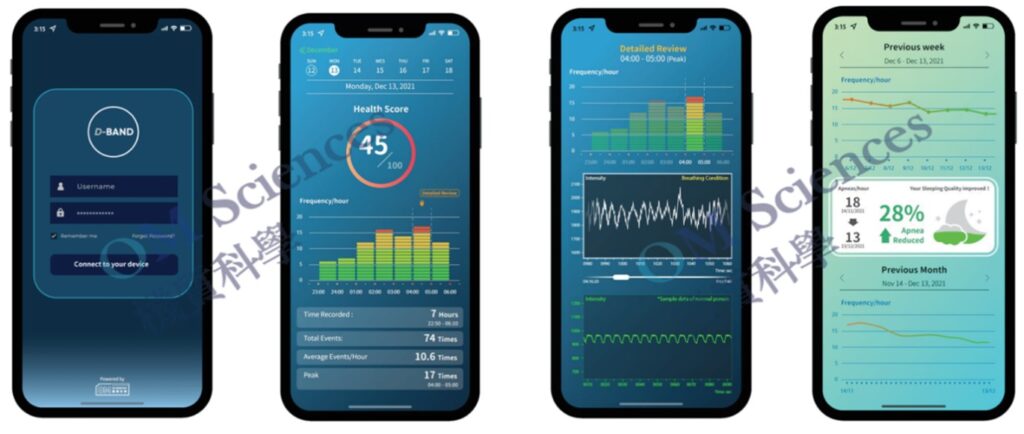
The D-Band is a portable, wearable device with app control, designed to monitor and record respiratory performance using disposable conjugated polymer printed sensors. It offers continuous, non-invasive monitoring of key health metrics, including ECG, respiratory rate, blood pressure, pulse, blood oxygen, body temperature, and CO2 levels.
Applications:
• Sleep apnea monitoring and recording
• Sports health monitoring
• Spirometry
Market Potential:
The global structural health monitoring market is expected to grow from USD 6.75 billion in 2024 to USD 27.06 billion by 2034.
Crowdfunding No. 2: Glucose Monitoring Sensor
• Target Funds: HKD 1.5 million
• Net Profit: 25%
• Backer’s Price: USD 30/set
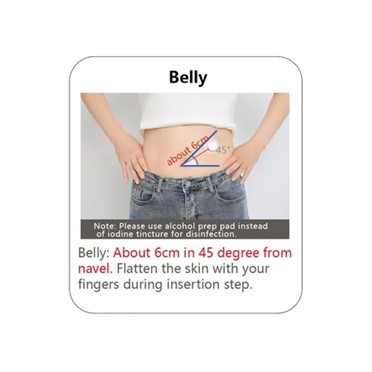
A continuous glucose monitoring sensor with app control and a waterproof, self-adhesive patch. It eliminates the need for finger pricking and provides real-time alerts for hypo- and hyperglycemia.

Features:
• Adjustable sugar level alerts
• Remote monitoring for caregivers
• Continuous, non-invasive real-time tracking
Telemedicine (E-Health): Revolutionizing Healthcare Delivery
Overview of Telemedicine
Telemedicine refers to the delivery of healthcare services using information and communication technology, enabling remote collaboration, monitoring, and treatment. It provides a seamless integration of face-to-face care with remote digital solutions, paving the way for blended healthcare models that extend beyond niche applications. This approach is especially valuable in addressing the global shortage of medical professionals and promoting cost-effective care.
Core Components of Telemedicine
1. Tele-Cooperation
Tele-cooperation facilitates remote collaboration between healthcare professionals, enabling better coordination of patient care and enhancing the efficiency of multidisciplinary teams. Click here to see successful Tempus company – AI-enabled precision medicine.
2. Tele-Monitoring
Tele-monitoring involves the remote collection and assessment of health indicators recorded by patients at home. Data is automatically transferred to healthcare providers, allowing clinicians to continuously monitor patients and data recording without interruptions or gaps in the data (no cool-down periods). This approach improves early detection of health exacerbations, enhances patient safety, and prevents severe complications.
3. Tele-Therapy
Tele-therapy delivers remote treatment options, allowing patients to receive care without the need for extended hospital stays. Patients can send continuous health records to their doctors in easy-to-read visual formats for real-time review.
Advantages of Telemedicine
1. Enhanced Patient Convenience
Patients can monitor their health at home and send continuous, comprehensive records to their doctors, saving time and reducing hospital visits. This approach has been a certified solution for managing early-release COVID-19 cases.
2. Real-Time Data Collection
Telemedicine allows real-time data collection without gaps, eliminating the need for guesswork in treatment decisions. With today’s widespread use of smart mobile devices, a solid infrastructure for telemedicine is already in place.
3. Cost and Crisis Management
Telemedicine helps prevent medical crises by enabling early intervention and managing decompensations more effectively. Patients are encouraged to adhere to their treatment plans, improving safety, efficacy, and cost efficiency.
4. Support for Healthcare Professionals
By enabling healthcare providers to work remotely or as freelancers, telemedicine helps address workforce shortages and expands access to second opinions.
Role of OM Sensors in Telemedicine
OM Sciences is advancing sensor technologies to support telemedicine applications. These affordable and rapidly deployable sensors are designed to provide fast, reliable, and disposable detection methods. Measurement results can be transmitted directly to mobile devices via Bluetooth or Wi-Fi, with complex information simplified into user-friendly visualizations.
• Integration with AI: OM sensors are tailored to support AI-driven e-health solutions, enabling automated and effective patient care at home.
• Practical Design: Sensors are designed to be disposable and cost-efficient, making them ideal for large-scale deployment.
Challenges and Next Steps
While telemedicine holds great promise, overcoming bureaucratic hurdles and promoting wider acceptance remain critical. Collaboration with medical schools and researchers is essential to ensure the integration of cutting-edge technologies into mainstream healthcare practices. OM Sciences is actively working to bridge these gaps, positioning itself as a key player in advancing telemedicine through innovative sensor solutions.
In the era of AI and e-health, telemedicine represents a powerful tool for enhancing healthcare accessibility, safety, and cost efficiency. OM sensors stand at the forefront of this transformation, enabling a smarter and more connected approach to patient care.
Collaborating with Insurance Companies for Telemedicine Development
OM Sciences is seeking partnerships with insurance companies to co-develop telemedicine solutions tailored to their needs. Telemedicine enables continuous monitoring of patients’ daily health data, providing a proactive approach to managing their care. Patients are more likely to adhere to treatment regimens, such as taking medications consistently, knowing that their health is being monitored in real time.
This technology shifts healthcare from reactive crisis management to preventative care, reducing the likelihood of patient decompensation. Telemedicine enhances safety, improves treatment efficacy, and drives cost efficiency, benefiting both patients and healthcare providers.
OM Sensors: Enabling Cost-Effective and Accessible Telemedicine
OM is advancing its sensor technology to create affordable, fast-deployment solutions. These sensors are designed to be disposable while maintaining accuracy and reliability. Measurement results are seamlessly transmitted to mobile devices via Bluetooth or Wi-Fi, with complex data presented through simplified, user-friendly visualizations.
OM’s innovative sensors are transforming telemedicine by making continuous, real-time health monitoring more accessible and cost-efficient, paving the way for a more sustainable and effective healthcare system.
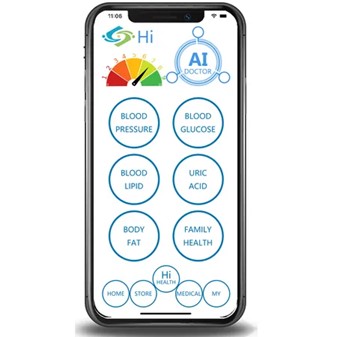
OM Sciences will also explore the development of sensors for body fat, blood lipid, uric acid, and blood pressure to expand its portfolio.
Crowdfunding No. 3: OM Ethylene Sensor (OMES)
• Target Funds: HKD 4 million
• Net Profit: 25%
• Backer’s Price: USD 200/set
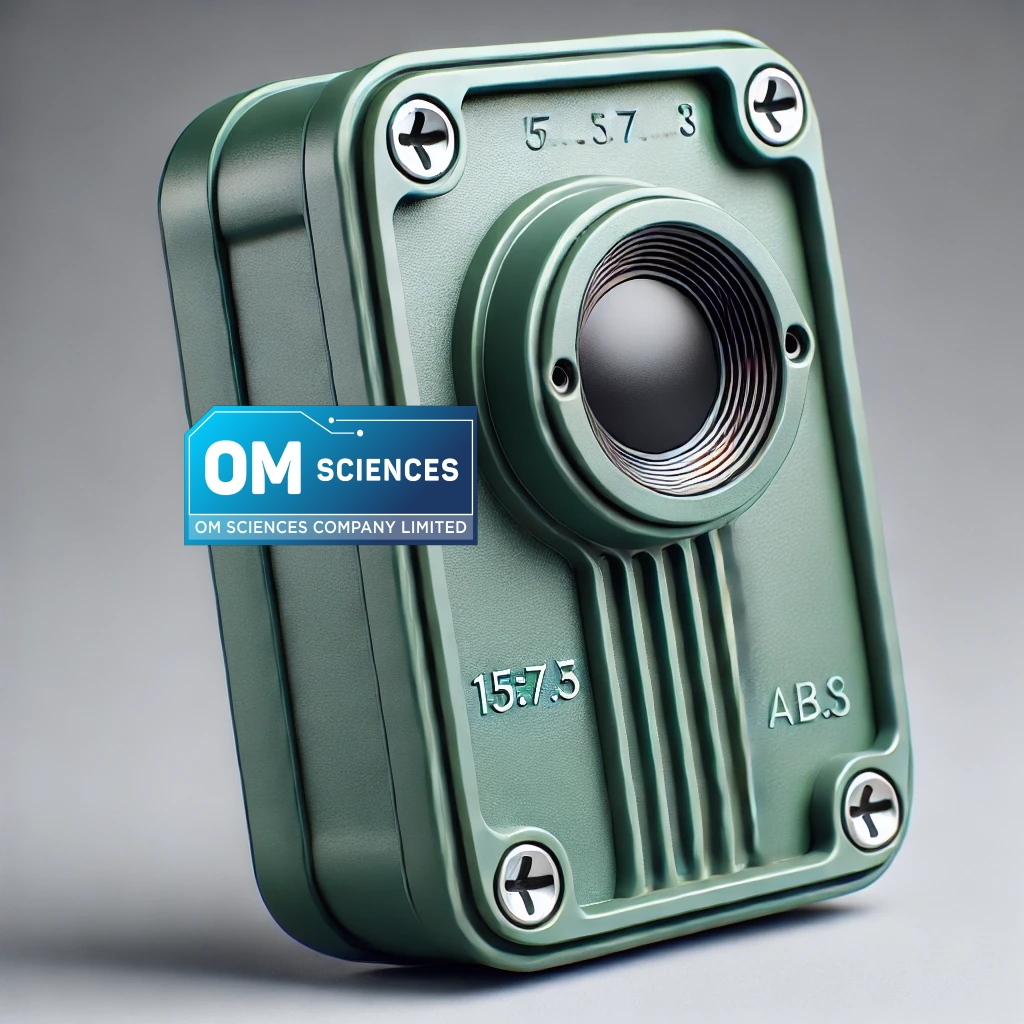
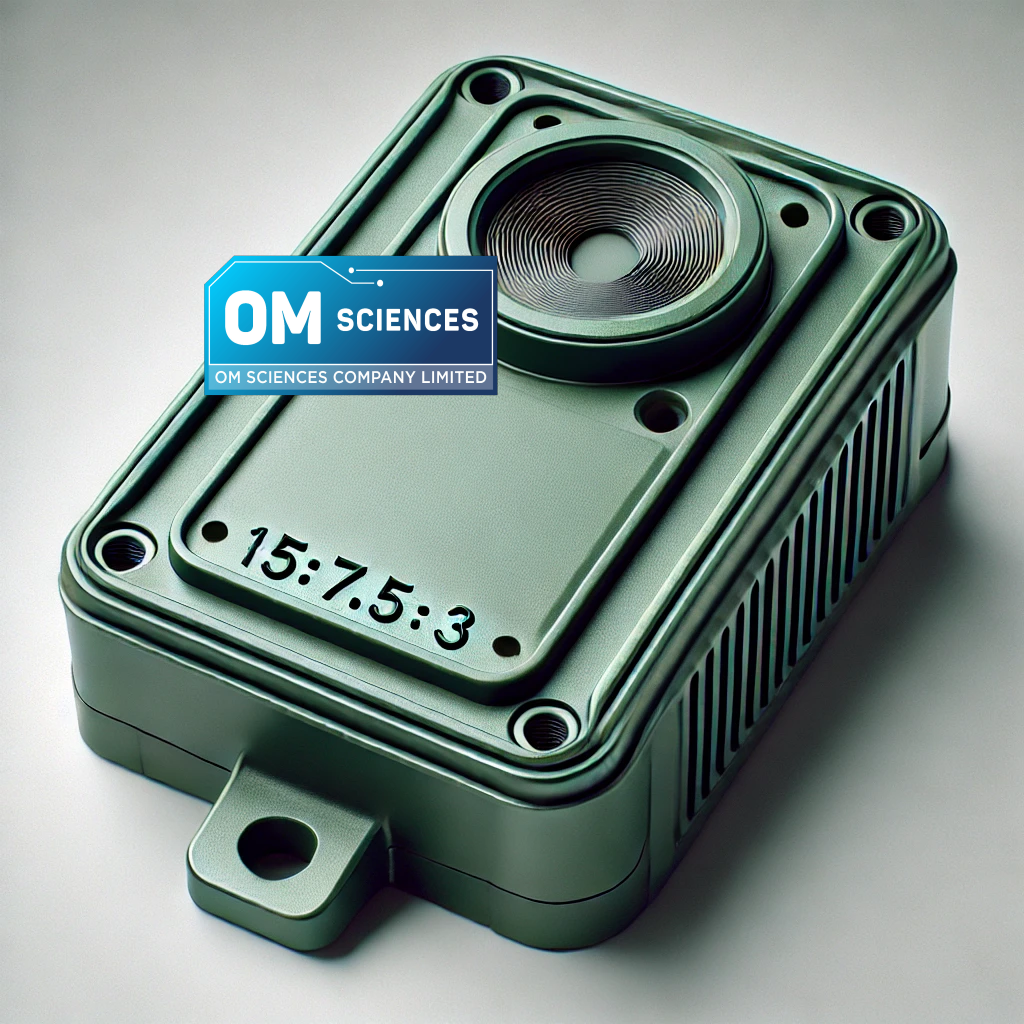
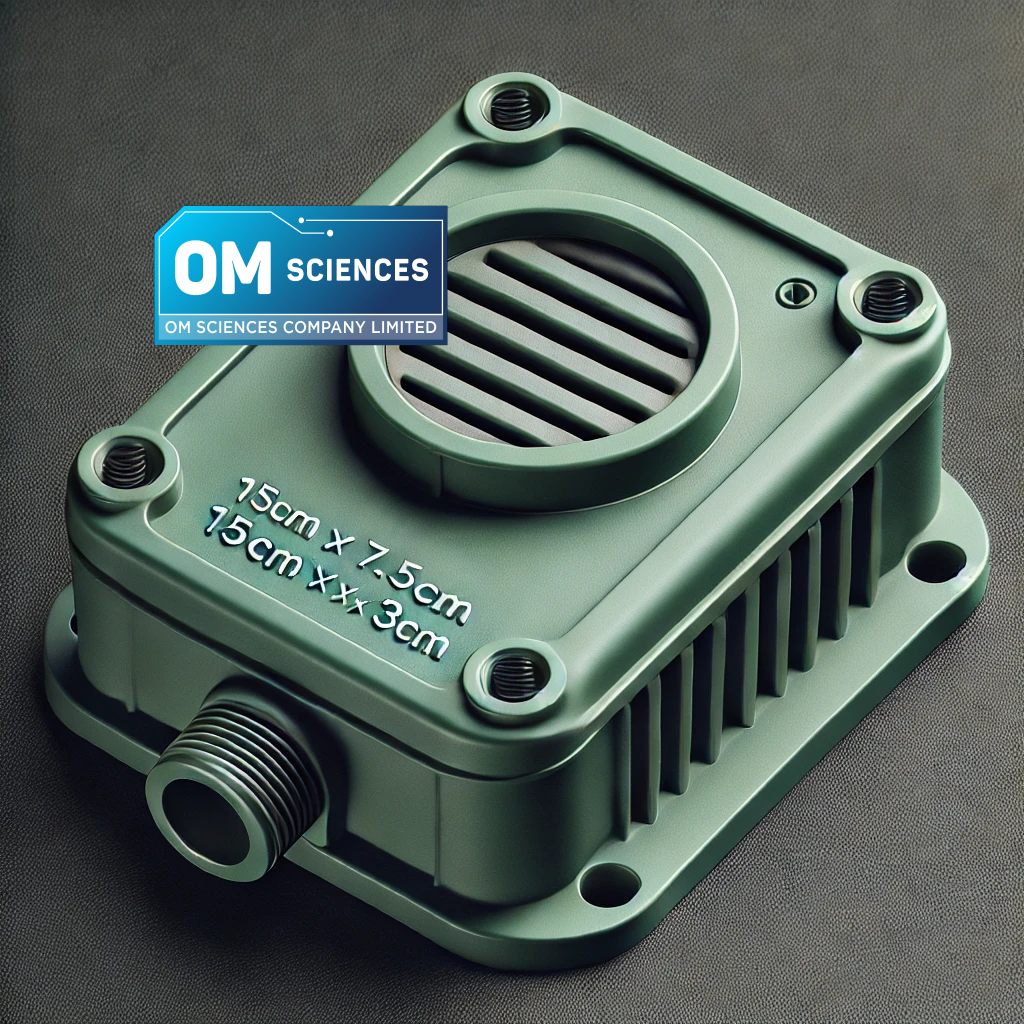
The OMES is an advanced atmospheric monitoring sensor for cold chain management, capable of detecting ethylene concentrations from 0.1 ppm to 200 ppm. It is designed to reduce food waste by monitoring and controlling ethylene levels, a key indicator of fruit ripening.
please click to see an Agricultural AIoT company OM working with

Applications:
• Cold chain logistics
• Fruit transportation
• Ripening rooms and cold storage
• Supermarket storage
• Home refrigerators
Features and Benefits:
• Accurate ethylene detection with high selectivity
• AIoT, mobile, and RFID compatibility
• Low power consumption (lasts 3–4 years on a single charge)
• Rechargeable with battery management system
• Short calibration time with no re-calibration needed
• Advanced sensing for temperature (0–40°C) and humidity (0–100%)
Market Potential:
The global cold chain monitoring market is expected to grow from USD 35.03 billion in 2024 to USD 42.59 billion in 2025. The United Nations estimates that 30–40% of the global food supply is wasted annually, causing a USD 1 trillion economic toll and contributing significantly to CO2 and methane emissions. Effective ethylene monitoring can prevent waste in the fruit and vegetable supply chain.
Why Crowdfunding?
4. D-Band: High demand for respiratory and health monitoring devices in the rapidly expanding health monitoring market.
5. Glucose Sensor: Rising preference for non-invasive, continuous monitoring systems.
6. OMES: Limited global supply of advanced ethylene sensors, with OM being one of the few capable manufacturers.
OM’s cutting-edge technology, low production costs via printable organic polymers electronics, and focus on sustainability make these devices highly competitive and impactful in their respective markets.
remarks:
Here below listed collaborators OM has entered into Non-Disclosure Agreements with. There must be income from them.
商业合作伙伴 潜在市场
京东方 BOE 共轭小分子和聚合物、Pi共軛聚合物(半导體材料)
MyCard Limited 共轭小分子和聚合物、Pi共軛聚合物(半导體材料)
Turned E! Education 共轭小分子和聚合物、Pi共軛聚合物(半导體材料)
思谋信息科技有限公司 有机电子传感器基板、带有应用程序的原型设备
盈電工程有限公司 有机电子传感器基板(温度檢测、有机挥发气体)
Maxpus 有机电子传感器基板(温度檢测、有机挥发气体)
正扬傳感科技股份有限公司 有机电子传感器基板( 氢濃度检测、温度檢测)
清華汽車 有机电子传感器基板(NO2、有机挥发气体、壓力)
Ultra Creation 有机电子传感器基板(温度檢测、有机挥发气体)
I-connect & Muse Lab 有机电子传感器基板(温度檢测、有机挥发气体)
*以上商业合作伙伴均與OM签订保密协议
Application of HK government funds HKD 5.0M
a. Partnership Research Programme (PRP)
https://www.itf.gov.hk/en/funding-programmes/supporting-research/prp/index.html
Key Features
• Provide matching funding support for Collaborative R&D projects.
• Maximum Project Duration: 36 months.
• Industry Sponsorship: at least 50% of the total project cost.
Intellectual Property (IP) Rights Ownership: industry co-applicant if it contributes at least 50% of the total project cost.
b. Enterprise Support Scheme (ESS)
https://www.itf.gov.hk/en/funding-programmes/supporting-research/ess/index.html
Key Features
• Provides on a dollar-for-dollar matching basis.
• Maximum Funding Support: $10 million per approved project.
• Maximum Project Duration: 24 months in general.
• Intellectual Property Rights Ownership: recipient company.
• Recoupment of Government’s Contribution: NOT required.
• Benefit Sharing of Commercialised R&D Results: NOT mandatory.
Phase-2 Investment Plan – IP investment an investment grade private deal
OM Sciences plans to launch a second round of funding to accelerate research, secure additional intellectual property, and introduce 8 essential health sensors and 2 security check point sensors. By selling 20% of OM shares, OM aims to raise HKD XX million within 12 months. The newly developed devices will be marketed through Kickstarter and Indiegogo, followed by listings on Amazon and Alibaba. Partnerships with global exporters and participation in the Hong Kong Electronics Fair will support worldwide promotion. The second-year export target is USD 3.0 million, with an expected 20% net profit margin.
Expansion Goals and Telemedicine Potential
If OM successfully achieves its first-year targets, the second round of fundraising will target HKD XX million to commercialize medical-grade conjugated organic polymer sensors for home health monitoring. The growing demand for Telemedicine, driven by the global shortage of healthcare professionals, presents a significant opportunity. Companies like Tempus have demonstrated the tremendous market need for innovative health-monitoring solutions. And this approach has been a certified solution for managing early-release COVID-19 cases.
OM’s conjugated organic polymer sensors offer unparalleled benefits for Telemedicine, including continuous, real-time, wireless or wired data monitoring continuously without recalibration. These features are critical for remote healthcare applications and surpass the capabilities of conventional sensors. Many organic semiconductors are biocompatible, making them ideal for health monitoring applications.
For a deeper dive into the role of sensors in medical diagnostics and monitoring, watch this 58-minute YouTube video on Ele-medicine’s evolution and the regulatory challenges being overcome due to global demand.
Phase-2 Product Launch Plan
In the second 12 months, OM will launch the following 8 essential health sensors targeting medical-grade quality for home health monitoring, with the potential to obtain full medical-grade certification in the future: And 2 detectors for security check points for drugs, explosives.
1. Heart Rate Sensor: Monitors pulse for cardiovascular health.
2. Blood Pressure Sensor: Assists in hypertension and hypotension management.
3. SpO₂ Sensor: Measures blood oxygen levels for respiratory health monitoring.
4. Temperature Sensor: Detects fever or infection indicators.
5. Hydration Sensor: Evaluates skin hydration for health insights.
6. Stress Sensor: Tracks cortisol levels via sweat for stress management.
7. pH Sensor: Analyzes skin or fluid pH for chronic disease management.
8. ECG Sensor: Records heart activity to detect arrhythmias.
OM will also develop 2 additional security sensors for crowdfunding and online sales, targeting checkpoint applications:
9. Explosive Sensor: Detects explosives for enhanced security.
10. Drug Sensor: Identifies illicit substances for checkpoint screening.
OM’s Unique Value Proposition
OM’s organic conjugated polymer sensors enable continuous, gap-free health monitoring with no recalibration required, offering a critical advantage for Telemedicine. These sensors address the growing need for remote patient monitoring, providing biocompatible, cost-effective, and reliable solutions for both health and security sectors. By combining innovation, scalability, and medical-grade quality, OM is positioned to lead the next wave of sensor technology in Telemedicine and beyond. With all the mentioned advantages, which enabled OM Security Checkpoint Detectors to smell what we can’t smell (drug and explosives), even by building a sensor grid to have a no blind sport sensing.
Application of HK government funds HKD 5.0M
a. Partnership Research Programme (PRP)
https://www.itf.gov.hk/en/funding-programmes/supporting-research/prp/index.html
Key Features
• Provide matching funding support for Collaborative R&D projects.
• Maximum Project Duration: 36 months.
• Industry Sponsorship: at least 50% of the total project cost.
Intellectual Property (IP) Rights Ownership: industry co-applicant if it contributes at least 50% of the total project cost.
b. Enterprise Support Scheme (ESS)
https://www.itf.gov.hk/en/funding-programmes/supporting-research/ess/index.html
Key Features
• Provides on a dollar-for-dollar matching basis.
• Maximum Funding Support: $10 million per approved project.
• Maximum Project Duration: 24 months in general.
• Intellectual Property Rights Ownership: recipient company.
• Recoupment of Government’s Contribution: NOT required.
• Benefit Sharing of Commercialised R&D Results: NOT mandatory.
Phase-3 Investment Plan: Realizing “Robotic Nerves” and IPO Roadmap – IP investment an investment grade public deal
In the third round of funding, OM Sciences will leverage the research and resources developed over the previous 24 months to focus on the realization of “robotic nerves” using conjugated organic polymer semiconductors and set up a workshop for manufacturing organic conjugated polymer semiconductors’ raw material. Targeted production capacity is 3kgs per year. This phase will also mark the beginning of collaboration with financial groups to pave the way for OM’s IPO roadmap.
Conjugated Organic Polymer Semiconductors in Robotics
The unique electrical and mechanical properties of conjugated organic polymers make them ideal for emerging applications in robotics. These materials enable the development of robotic systems with advanced sensory and adaptive capabilities:
1. Flexible Tactile Sensors: Mimic human skin to detect touch, pressure, and texture.
2. Artificial Neural Networks: Facilitate data processing and signal transmission in soft robots.
3. Proprioceptive Feedback: Monitor robotic limb position and movement for enhanced control precision.
4. Stretchable Sensors: Detect strain or bending, crucial for soft robotic systems.
5. Chemical Sensing: Equip robots with the ability to identify and analyze environmental chemicals.
These applications enhance robotics by integrating sensory feedback, adaptability, and precision, enabling robots to perform complex, human-like tasks.
Future Potential: Polymer Human Nerves
Given the superior biocompatibility of conjugated organic polymers, there is significant potential to advance toward the creation of “polymer human nerves.” This breakthrough could revolutionize robotics, prosthetics, and neural interface technologies, opening a new frontier for human-machine integration.
By focusing on the development of robotic nerve systems, OM Sciences is positioning itself as a key innovator in the robotics and semiconductor industries while building a strong foundation for its IPO aspirations.
Set up workshop
Production Automation Doctrine – don’t start with fully automatic
A focus team will be set up to start building a mass production space in HK Science Park with a production capacity of 3 kilograms of conjugated polymer semiconductor materials per year. Production line must not be fully automatic, it will be started by semiautomatic and moving towards fully automation in the future. A fully automated production line can only be realized with years of semiautomatic production experiences accumulation. The maturation cost of mastering and tuning a brand new fully automated production line kill.
● The cost of organic semiconductor raw materials produced by OM Sciences is low, and the price of organic semiconductor polymers will be about USD$ 1,000 /gram (50% of market selling price) with gross profit margin of 90%.
● 3 kilograms sold at USD$ 1,000/gram (at 50% of market price) will produce a total of USD$3.0 million turn over a years.
● machinery and equipment investment USD$0.531 million
● The laboratory standard is to be built as a dust free workshop at the standard of ISO class 7, with the construction cost USD$ 100 / sq ft. A dust free area needed 300 sq ft. Total construction cost USD$30,000.
● extra workshop space HK Science Park rental per year cost USD$46,800
● 3 years total cost needed for the new work shop: USD$701,400
If 3 kilograms sold at USD$ 1,000/gram (at 50% of market selling price) will produce a total of USD$3.0 million turn over a year. Gross profit per year is USD$2.70 million. Therefore, the third year will be a transition year toward organic conjugated polymer semiconductor materials and printable electronics ink manufacturing. Sellable devices research and development is profitable still to retain.
Since organic materials are used scientifically and practically, the raw chemicals are petroleum and petroleum by-products. The sources are mainly could acquire but not limited from the below mentioned:
Fisher Scientific Corporation
TCI Chemical Industry Development Co., Ltd
Sigma-Aldrich